
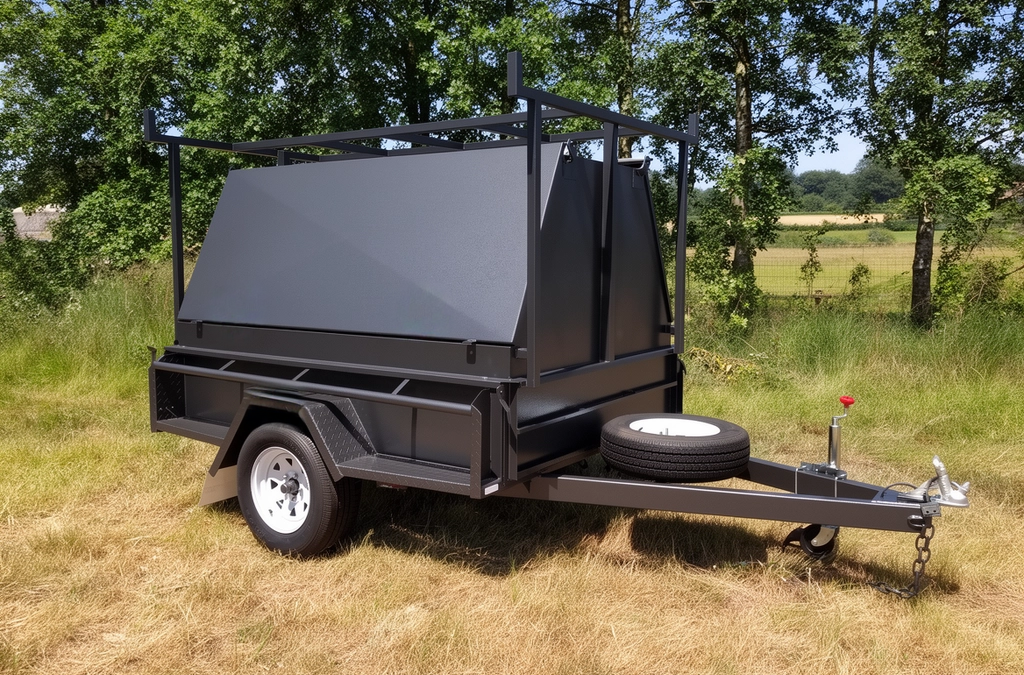
Why Regular Tradesman Trailer Maintenance is Crucial
Your tradesman trailer is a vital part of your business. Keeping it in good nick isn’t just about making it look good; it’s about making sure it works when you need it to and that it’s safe to have on the road. Neglecting a small rattle or a bit of rust can quickly turn into a major headache, costing you time and serious money down the track. Regular checks, like those you’d do before heading out, can catch little things before they become big problems that could lead to lost income and a damaged reputation.
It’s about more than just avoiding breakdowns, though. A well-maintained trailer handles better, making your towing experience smoother and less stressful. Plus, when it comes time to upgrade or sell, a trailer with a solid maintenance history, especially if you’re looking at custom trailers Melbourne has to offer, will hold its value much better than one that’s been left to fend for itself. It’s a simple investment in reliability and peace of mind.
Keeping your trailer in top condition means it’s always ready for work, reducing the risk of unexpected issues and keeping your business moving forward without a hitch. It’s about protecting your investment and your livelihood.
Here’s why you really should make trailer maintenance a habit:
-
Safety First: Faulty brakes or worn tyres are a recipe for disaster. Regular checks mean you’re less likely to have a serious accident.
-
Save Your Wallet: Catching small issues early, like a loose bolt or a bit of corrosion, is way cheaper than fixing major damage later.
-
Keep Working: A reliable trailer means fewer delays and less stress. You can focus on the job, not on fixing your transport.
-
Longer Life: Treat your trailer well, and it’ll serve you for years to come, giving you better value for your money.
Essential Tradesman Trailer Maintenance Checklist

Keeping your tradesman trailer in good nick is pretty important, not just for safety but also so it doesn’t let you down when you’re on the job. A bit of regular attention can save you a heap of hassle and cash down the track. Let’s run through the key areas you should be looking at.
Tire Care: The Foundation of Safe Towing
Your trailer’s tyres are the only thing connecting it to the road, so they need to be in top shape. Always check the tyre pressure before you head out – under or over-inflated tyres can wear unevenly and are a real blowout risk. Give the treads a good look too; you want decent depth for grip, especially if you’re dealing with wet conditions. Also, keep an eye out for any cracks or bulges that might signal damage. Rotating your tyres every six months or so can help them wear more evenly, making them last longer.
Brake System Inspection: Safety First
This one’s non-negotiable. You need to be sure your brakes are working perfectly every time. For electric brakes, check the wiring for any damage or corrosion. Have a look at the brake pads and shoes for signs of wear – if they’re looking thin, they need replacing. It’s also a good idea to check your brake controller before a trip to make sure it’s functioning as it should.
Chassis and Frame: Checking for Wear and Tear
Your trailer’s frame is its backbone. Give it a good clean now and then, especially if you’ve been on salty roads or through muddy tracks. Look for any rust build-up, particularly around welds and joints. Small bits of rust can turn into bigger problems if left unchecked. Also, check that all the bolts and structural components are tight and secure.
Lights and Electrical Systems: Visibility and Functionality
Working lights are vital for safety and legality. Test all your lights – tail lights, brake lights, and indicators – regularly. Replace any bulbs that have blown and fix any exposed or damaged wiring. Corrosion in the connector plugs can cause all sorts of dramas, so give them a clean if you see any.
Coupling and Hitch: Secure Connection is Key
This is where your trailer connects to your vehicle, so it needs to be spot on. Make sure the hitch ball size matches your coupler. Lubricate the latch and the jack mechanism so they operate smoothly. Check for any signs of wear or damage on the coupling itself.
Body and Exterior: Protection Against the Elements
Keeping the body of your trailer clean helps prevent rust and keeps it looking professional. Wash it down with mild soap and water. Clear out any debris that might get stuck around the wheels or in the tray, as this can trap moisture and lead to corrosion. If you’ve got metal surfaces, consider a rust protection coating for extra defence.
Interior Organisation and Security
While not strictly mechanical, keeping the inside of your trailer organised and secure is part of good maintenance. Secure any tools or equipment properly so they don’t shift around during transit. This not only protects your gear but also helps maintain the trailer’s balance. Check that any latches or locks on toolboxes or doors are working correctly to keep your valuable features in your trailer safe.
A little bit of effort spent on regular checks can prevent major headaches and keep your trailer reliable for years to come. Don’t wait for something to go wrong; be proactive with your maintenance.
Preventative Maintenance Schedule for Your Tradesman Trailer
Daily/Pre-Trip Checks
Before you head out on any job, no matter how short the trip, a quick once-over of your tradesman trailer is a smart move. It doesn’t take long and can save you a heap of trouble down the track. Think of it as a quick health check for your trailer.
-
Tyre Pressure and Condition: Give your tyres a good look. Are they looking a bit flat? Check the pressure against what’s recommended on the tyre’s sidewall or your trailer’s manual. Also, have a quick scan for any obvious cuts, bulges, or foreign objects stuck in the tread. You want them looking healthy and round.
-
Lights: Flick on your indicators, brake lights, and tail lights. Make sure everything is working as it should. It’s a legal requirement and keeps you and other road users safe.
-
Coupling and Safety Chains: Ensure the coupling is securely attached to your tow ball and the safety chains are properly connected. Give them a wiggle to make sure they’re not loose.
-
Load Security: If you’ve already loaded up, double-check that everything is tied down securely. You don’t want tools or materials bouncing around or falling off.
Monthly/Quarterly Inspections
Beyond the quick pre-trip checks, setting aside a bit more time each month or quarter for a more thorough inspection will really keep your trailer in top nick. This is where you catch those little things before they become big, expensive problems.
-
Brake System: For electric brakes, check the wiring for any damage or corrosion. If you have mechanical brakes, inspect the brake pads and shoes for wear. It’s also a good idea to test the brake controller inside your vehicle to make sure it’s functioning correctly.
-
Wheel Bearings and Hubs: This is a big one. Check for any excessive heat coming from the wheel hubs after a drive – that’s a sign the bearings might be on their way out. If you’re comfortable, you might want to check the bearing grease and seals. If they look dry or the seals are damaged, it’s time for a service.
-
Chassis and Frame: Give the trailer’s frame a good look. Are there any signs of rust, cracks, or damage, especially around welds or stress points? Clean off any dirt or debris that could trap moisture and lead to rust.
-
Suspension: Check the leaf springs and shackles for any cracks or signs of rust. Make sure all the bolts holding the suspension together are tight. Loose bolts can cause all sorts of issues.
-
Electrical Connections: Inspect the main trailer plug and any other electrical connectors. Clean off any corrosion you find. Keeping these clean helps prevent electrical gremlins.
-
Body and Exterior: Wash down the trailer to remove dirt, mud, and road salt. Consider applying a protective coating to metal surfaces, especially if you’re often in harsh conditions. Check the condition of any seals around doors or toolboxes.
A little bit of regular attention goes a long way. It’s much easier and cheaper to fix a small issue now than to deal with a major breakdown later. Think of it as an investment in your business’s reliability.
|
Component |
Daily/Pre-Trip Check |
Monthly/Quarterly Inspection |
Annual Service (Recommended) |
|---|---|---|---|
|
Tyres |
Pressure & Visual |
Tread Depth & Damage Check |
Bearing Check & Repack |
|
Brakes |
Visual Check |
Pad/Shoe Wear & Wiring |
Full System Check |
|
Lights |
Function Test |
Bulb & Connector Check |
Wiring Inspection |
|
Coupling & Hitch |
Secure Connection |
Latch & Jack Lubrication |
Wear Check |
|
Chassis & Frame |
Visual Check |
Rust & Damage Inspection |
Thorough Cleaning & Coating |
|
Wheel Bearings |
N/A |
Heat & Play Check |
Repack & Seal Replacement |
Keep Your Trailer Rolling
So, there you have it. Looking after your tradesman trailer isn’t rocket science, but it does take a bit of regular attention. A quick wash now and then, keeping an eye on those tyres, and making sure everything’s greased up properly can make a world of difference. It means fewer headaches down the track, less money spent on unexpected repairs, and most importantly, it keeps you and everyone else on the road safe. Think of it as an investment in your workhorse – the better you treat it, the longer and more reliably it’ll serve you. Happy towing!